Class 5: AI Image Generation & Visual Prompting. "How do we hold onto our creative processes, in a world that both encourages and fears AI use?"
Educator, Creative AI Academy
The class in brief
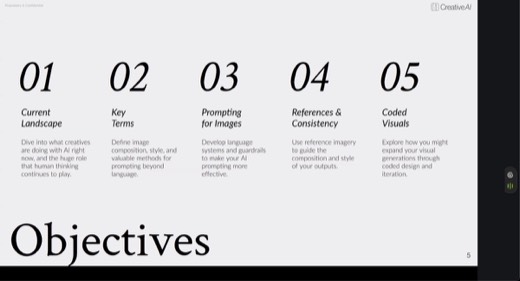
After this page you can write an image prompt in five deliberate slots, weight a reference on purpose, and troubleshoot a hallucination instead of just rerolling it. Sydney and Tony's image class opened on three brand cases already living with AI in production, then built the image-prompt companion to GOLD: Format, Subject, Details, Style, Parameters.
The back half was reference craft: weighting composition against style as a tug-of-war, and evolving a reference instead of restarting it. It also covered a five-step method for diagnosing a bad output before you regenerate.
Three brands already living with AI
Why this matters · 6:37 PM
A person, a product, or a brand can now be extended, simulated, or created with AI.
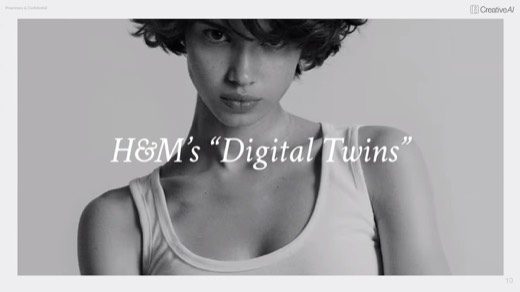
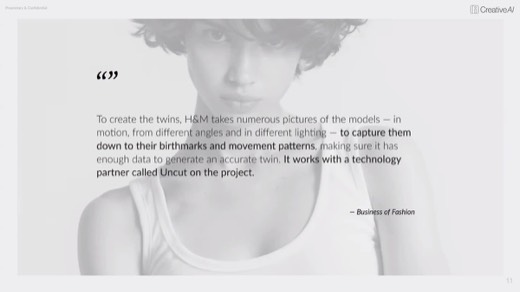
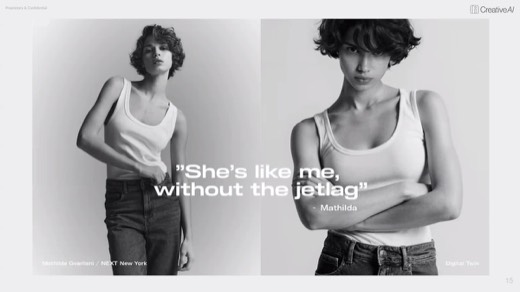
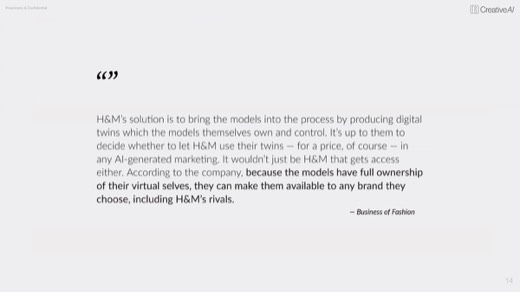
Three cases set the stakes before any prompting started. H&M builds digital twins down to the birthmark .
The twin comparison ran under the line "finally a way for me to be in New York and Tokyo on the same day" . The human models own the twins outright and can license them to any brand, rivals included.
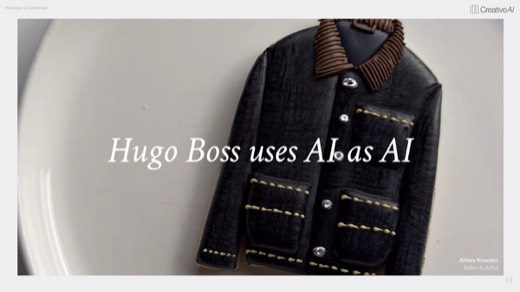
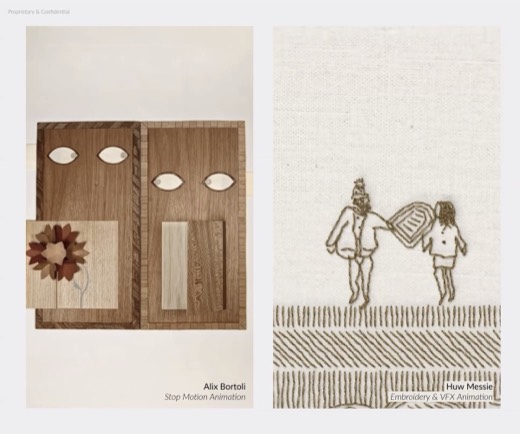
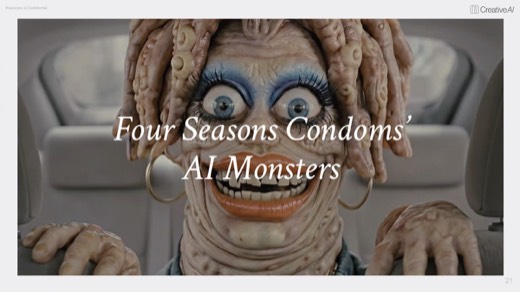
Hugo Boss runs AI imagery beside hand-stitched and stop-motion craft, treating it as "another visual language" rather than a shortcut . Four Seasons Condoms built Snapchat-native AI monsters to dodge Meta's safe-sex ad limits .
The framework · 7:03 PM
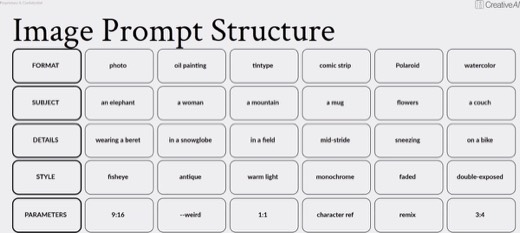
The image prompt structure
Formatwhat kind of visual
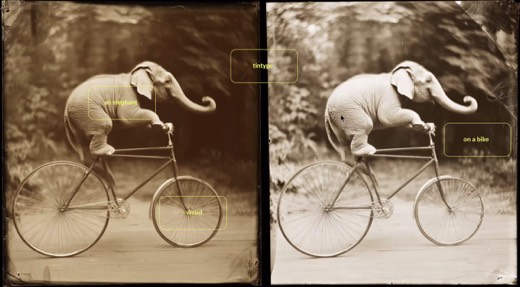
Photo, oil painting, tintype, comic strip, Polaroid, watercolor. The mosaic test: a mosaic is the subject; a photo of a mosaic is the format.
Subjectthe hero
An elephant, a woman, a mountain, a mug, flowers, a couch. Whatever the image is actually about.
Detailswhat's happening
Wearing a beret, in a snowglobe, in a field, mid-stride, sneezing, on a bike. The action or situation around the subject.
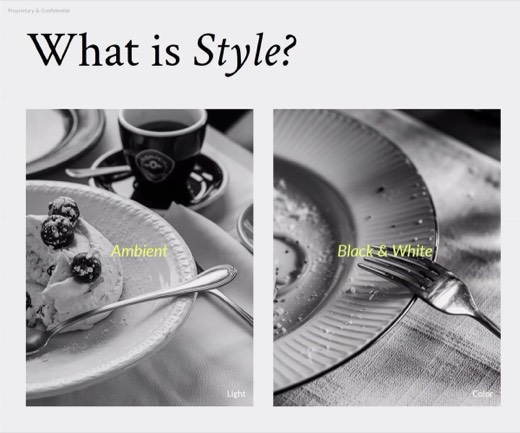
Stylethe vibe, colors, textures, feelings
Fisheye, antique, warm light, monochrome, faded, double-exposed. Color lives here, not under subject.
Parameterswhat else to establish
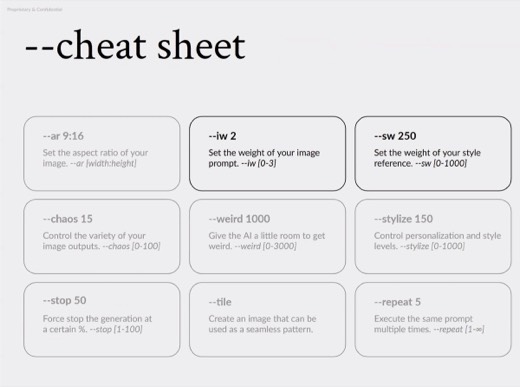
Aspect ratio, --weird, character ref, remix. The Midjourney cheat sheet alone runs eleven flags, from --ar to --repeat.
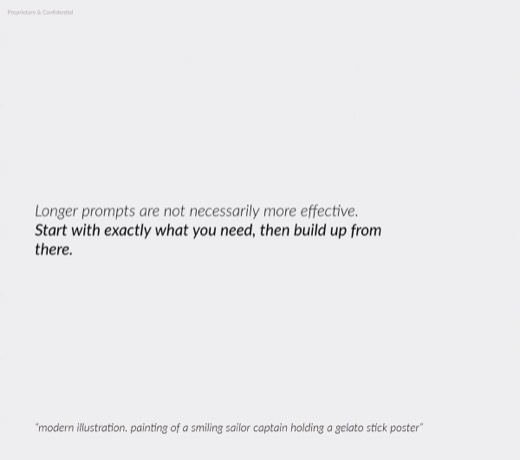
Worked live as a tintype elephant on a bicycle , with one rule attached: longer prompts are not necessarily more effective, start with exactly what you need.
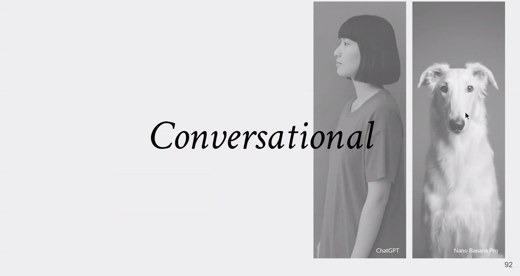
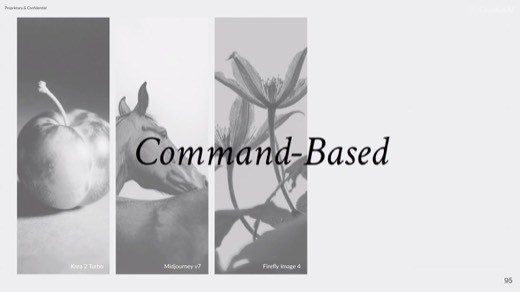
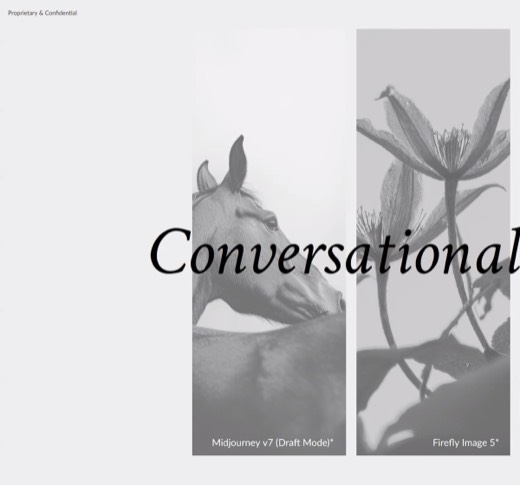
The class then split image tools into conversational versus command-based lineups : chat-and-iterate tools like ChatGPT and Nano Banana Pro versus every-word-is-the-instruction tools like Krea, Midjourney, and Firefly.
The weight tug-of-war
The craft · 7:45 PM
Whatever weight you max out is what the model obeys.
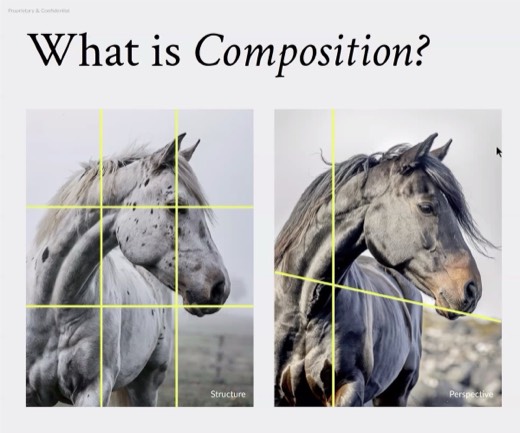
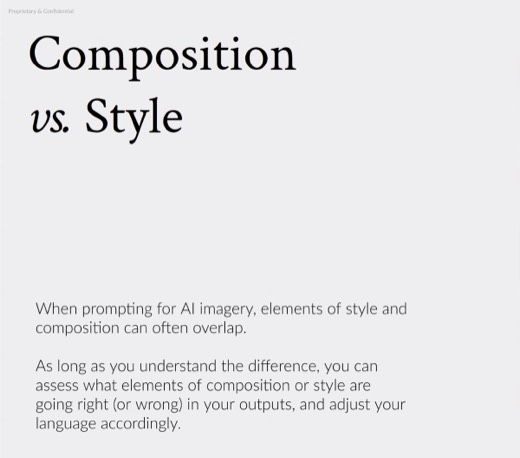
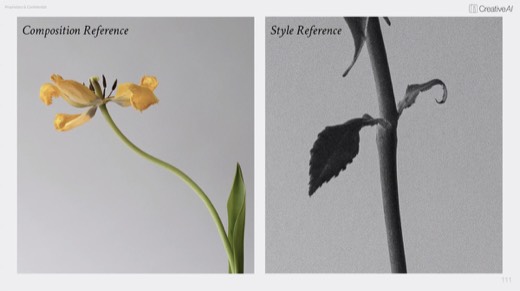
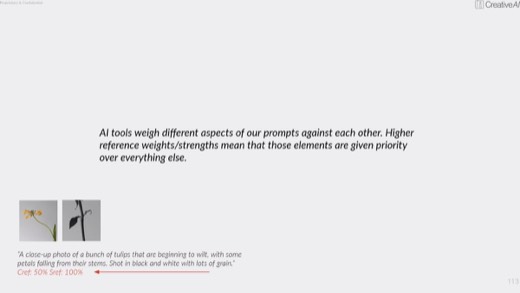
A composition reference and a style reference get weighted separately, and the weighting is a tug-of-war .
The room tested three weight combinations on the same wilting-tulip prompt, using Midjourney's Cref and Sref settings, with three different outcomes.
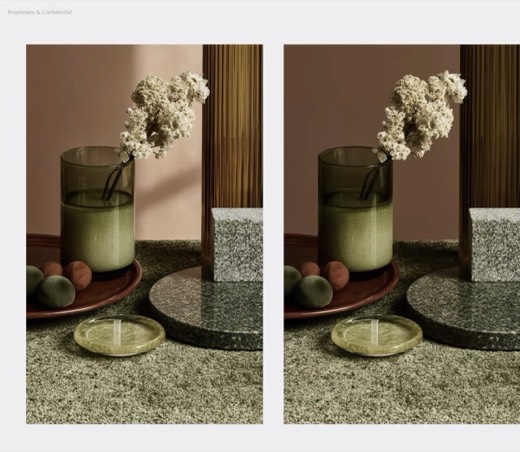
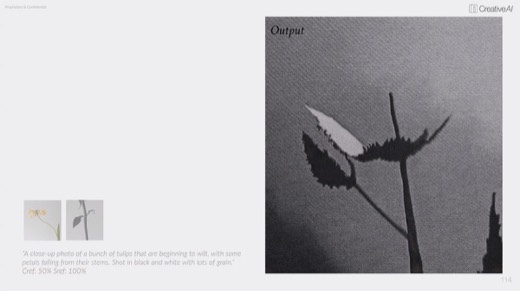
- Composition 50, style 100: the AI copied the grain and lighting of the style reference and composition played a smaller role .
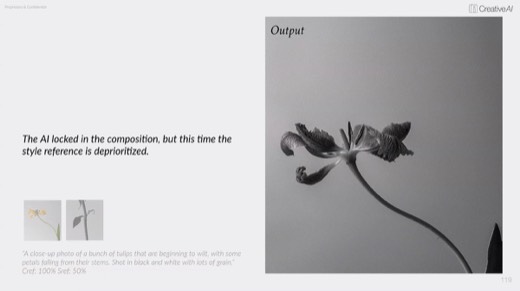
- Composition 100, style 50: composition locked in while style got deprioritized .
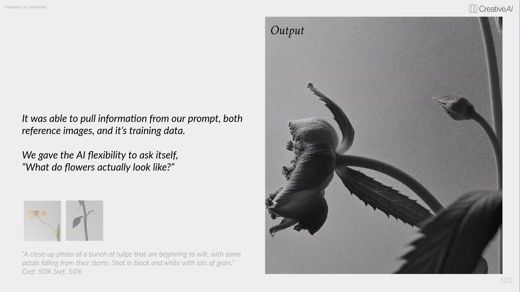
- Composition 50, style 50: the AI found balance, pulling from the prompt, both references, and its own training data at once .
The exercise · 7:52 PM onward
Evolve the reference instead of restarting it
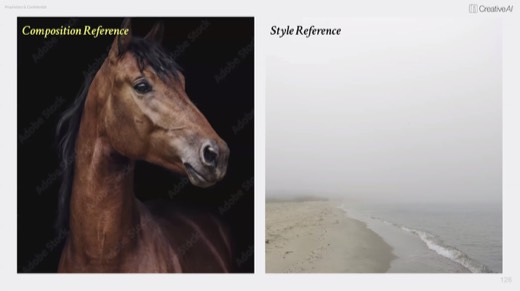
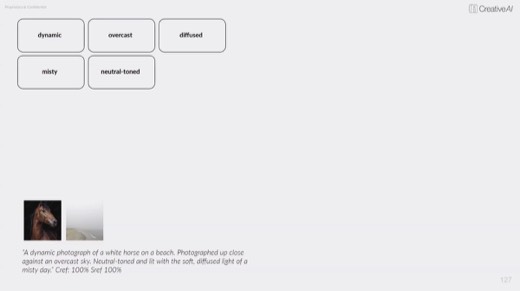
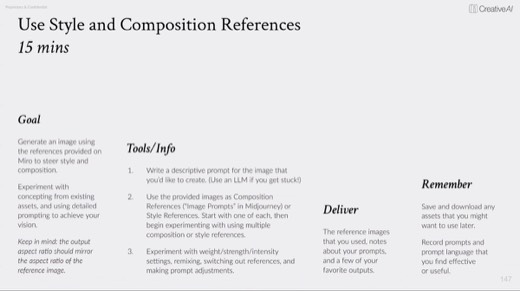
15 minutes: generate from the Miro reference images: style and composition.
"The output aspect ratio should mirror the aspect ratio of the reference image." Composition references count as Midjourney "image prompts": start with one of each, then stack .
Deliver: the reference images used, prompt notes, a few favorite outputs.
Feed your best output back in
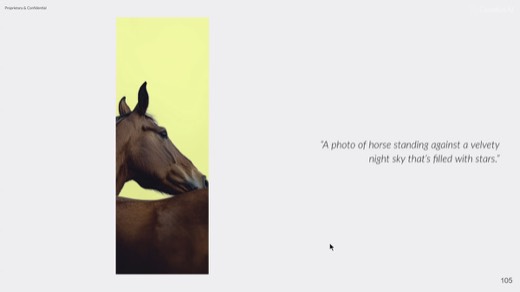
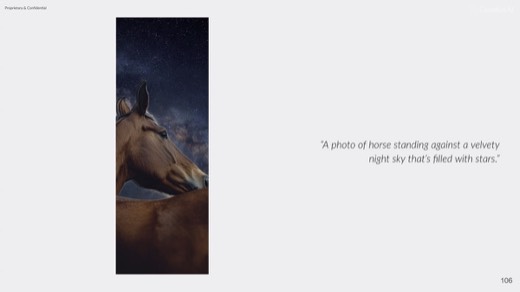
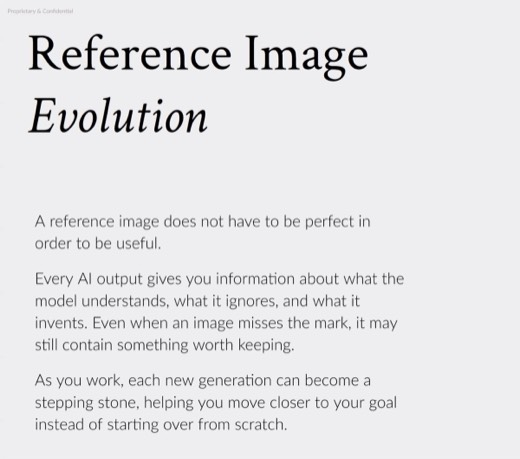
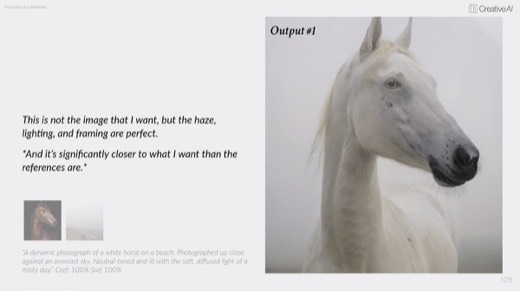
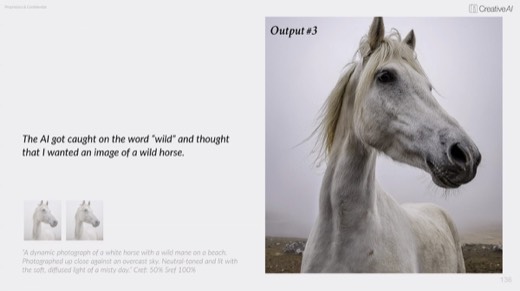
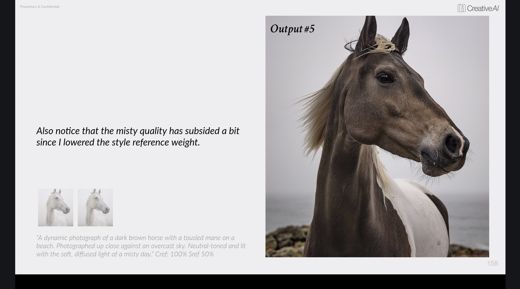
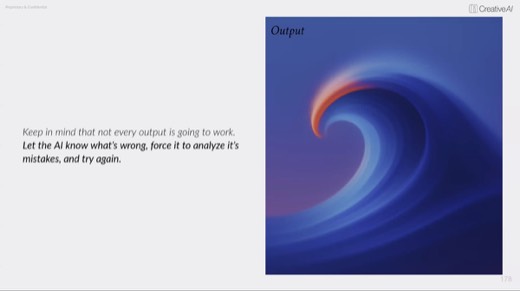
A reference doesn't have to be perfect to be useful; every output shows what the model understands, ignores, or invents . Sydney's white-horse output wasn't the image she wanted, but the haze, lighting, and framing were perfect, so it became the next reference .
Five steps before you regenerate
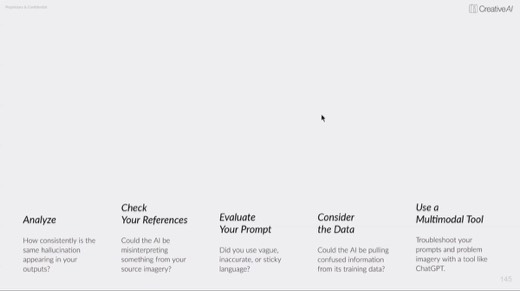
Press pause instead of starting over from scratch . The five steps: analyze how consistently the hallucination appears, check your references, evaluate your prompt for vague or sticky words, consider the training data, and use a multimodal tool to troubleshoot the whole prompt at once .
Use the specific word instead of the vague one
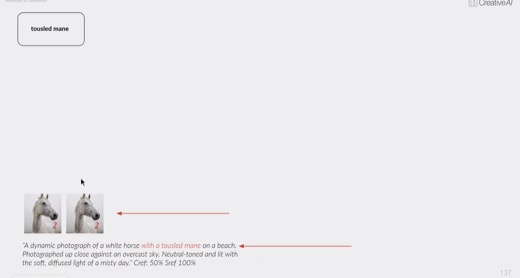
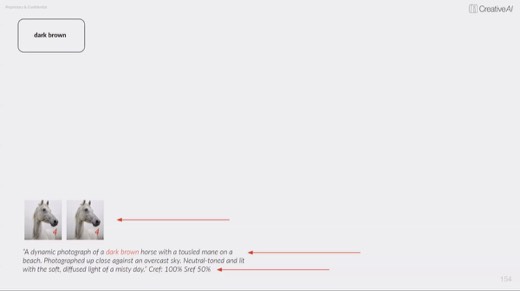
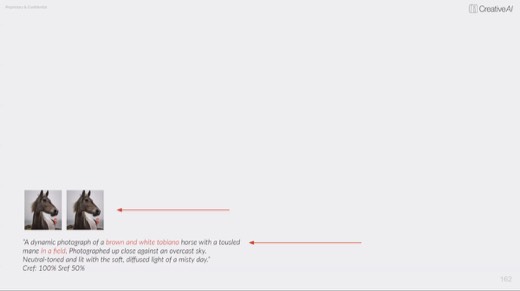
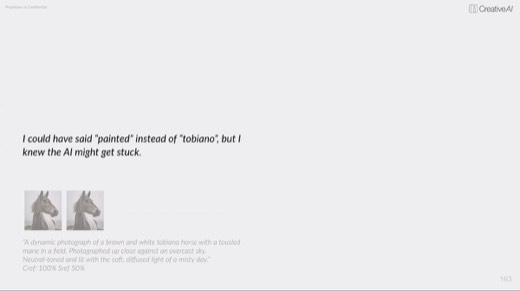
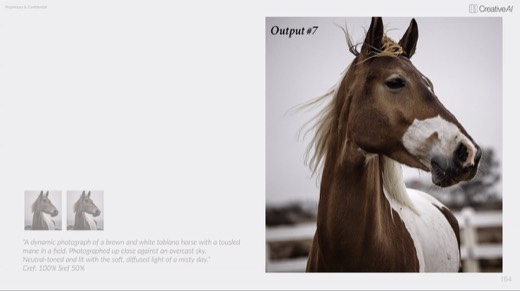
Sydney chose "tobiano," a real marking term she googled, over "painted," because she knew the AI might get stuck on the vaguer word. Every generation costs money and resources, so the rule was to reuse an interesting hallucination rather than generate-and-discard it.
Command-based vs conversational
The judgment · 8:51 PM
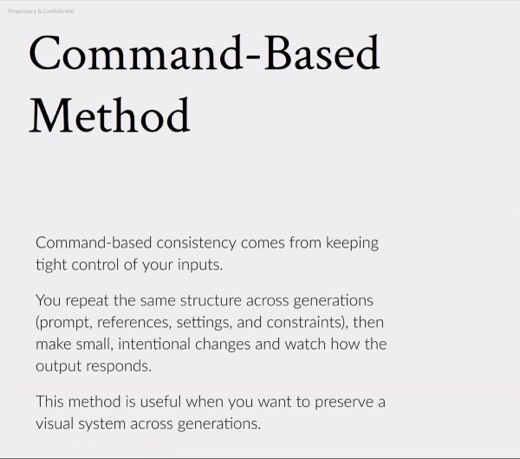
Two ways to hold a series together, chosen by what you're trying to preserve.
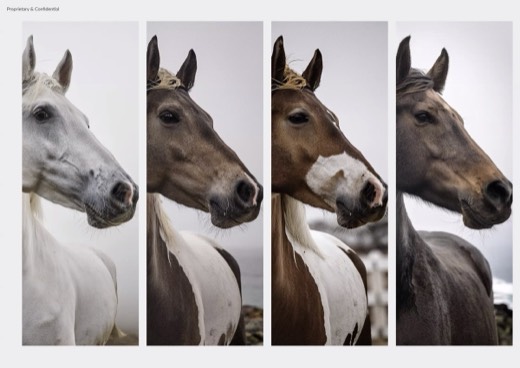
Command-based consistency keeps every input fixed and changes one variable at a time. The full horse series ran white to brown to tobiano to dark brown to dappled gray, same composition throughout , ending in a five-image recap of the whole iteration .
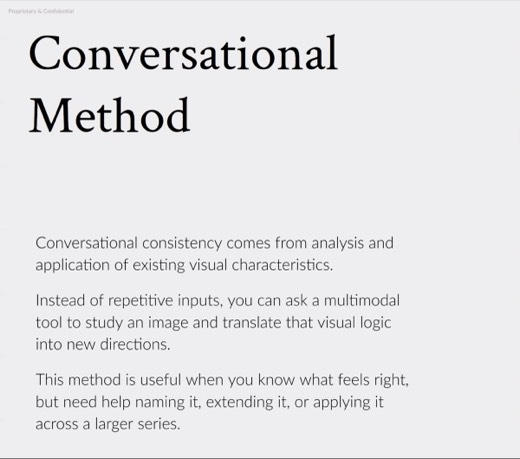
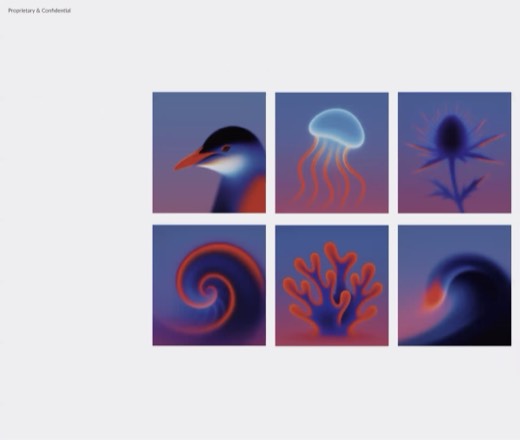
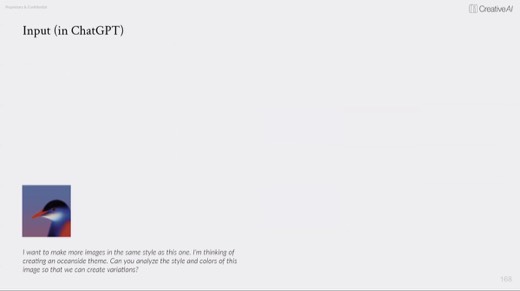
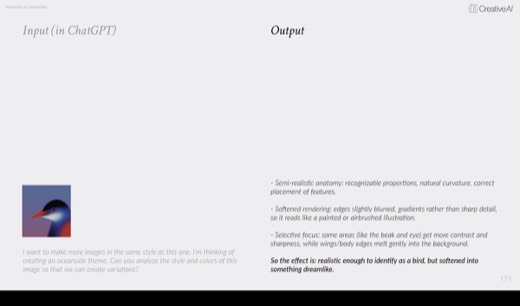
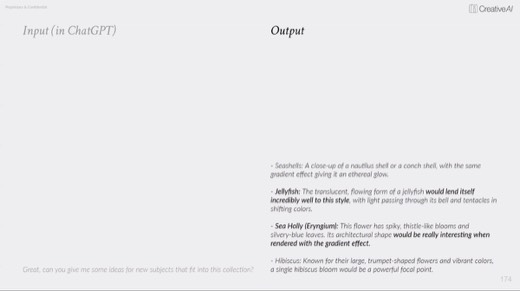
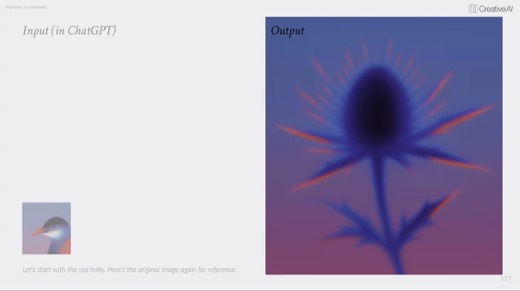
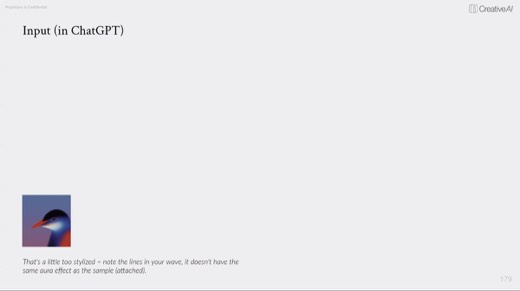
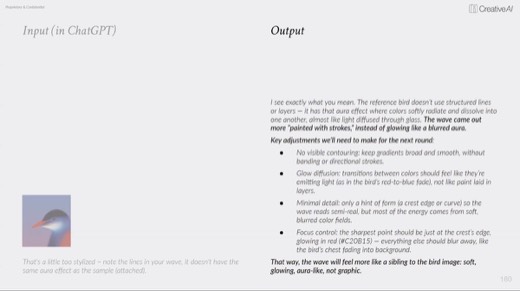
Conversational consistency works the opposite direction: ask a multimodal tool to analyze an existing image's visual logic, then extend it into new subjects . ChatGPT's read of the oceanside bird image named it exactly: "realistic enough to identify as a bird, but softened into something dreamlike" .
Methods and prompts
Five methods to take with you
Write it as Format, then Subject, Details, Style and Parameters
The image companion to GOLD. Five slots, filled in order, so you know exactly which word is doing which job when an output goes wrong.
Working prompt
Format: [photo, painting, tintype, etc.]. Subject: [the hero]. Details: [what's happening]. Style: [the vibe, colors, textures, feelings]. Parameters: [aspect ratio, weirdness, character ref]. Start with exactly this, nothing extra.
You will know it worked whenthe image matches the five fields you filled in, with nothing extra added that you didn't specify in any of them.
Weight your references on purpose
Composition and style are separate dials, and whichever one you max out wins. State the split explicitly, even in a tool without weight sliders.
Working prompt
Use this as my composition reference at roughly 50% strength, and this as my style reference at roughly 50% strength: influence the output, don't copy either one directly. My prompt: [describe the subject and scene].
You will know it worked whenthe output echoes both references without copying either one outright, and the composition and style read like separate, blended influences.
Evolve the reference instead of restarting
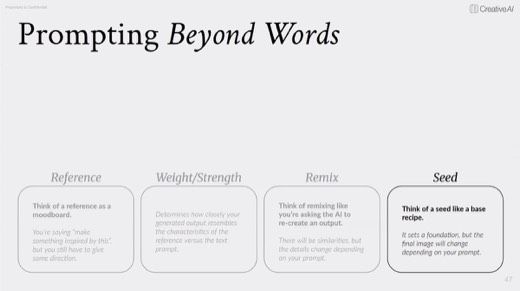
Feed your best imperfect output back in as the new reference and change exactly one thing. Every generation is a stepping stone, not a discard.
Working prompt
Here's my last output [attach]: the [lighting/framing/haze] is exactly right, but the [specific element] is wrong. Use this as the new reference. Change only the [one variable] and keep everything else as close to identical as possible.
You will know it worked whenonly the one element you named actually changed, and everything else in the new output still matches your last one.
Diagnose your own hallucination first
Before handing a bad output to the model for troubleshooting, name your own guess. The five-step check works better when you've already staked a claim it can confirm or correct.
Working prompt
Here's my output and my prompt: [attach both]. I answer first, then you check me. My guess at what went wrong: [your diagnosis: reference, prompt wording, or training data]. Now walk the five-step check yourself and tell me where my read was right or wrong.
You will know it worked whenit states plainly whether your guess about the reference, the wording, or the training data was right, not a generic list of causes.
Study your own image and then extend it
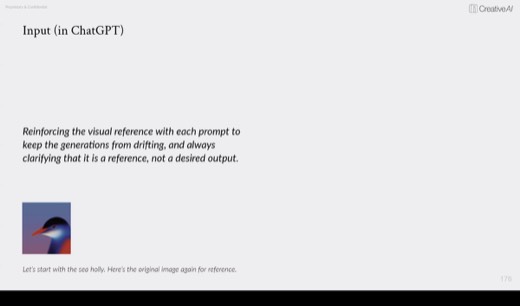
Conversational consistency the way ChatGPT did it for the ocean series: analyze an existing image's visual logic before asking for new subjects, and re-attach the original every round to fight drift.
Working prompt
I want more images in the same style as this one [attach]. Analyze its style, color, and rendering first. Then suggest new subjects that fit the same collection. Every time we generate one, I'll re-attach this original as the reference, not the desired output.
You will know it worked whenthe new subjects it suggests share the color and rendering it just described from your original, not a random unrelated set.
Where it broke · all night
The model does not understand absence and it fixates on the words you give it
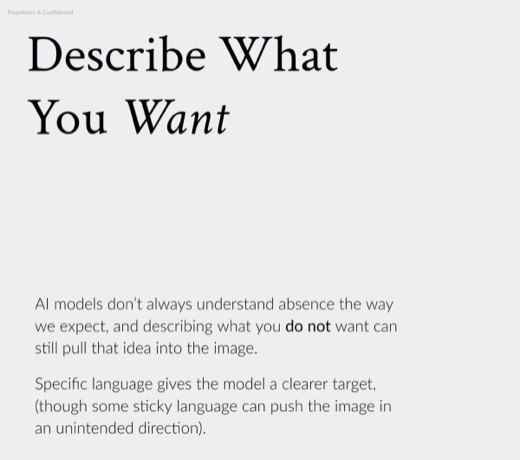
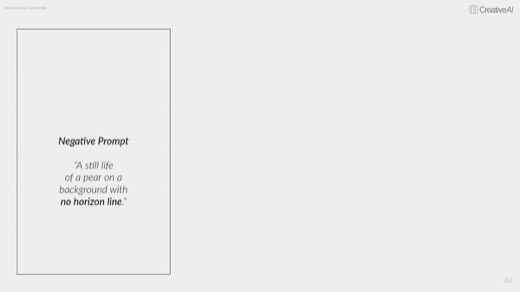
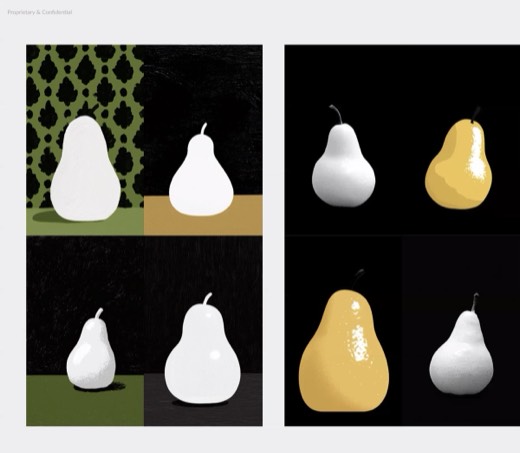
"A still life of a pear on a background with no horizon line" gave back horizon lines, every time . AI models do not process negative instructions reliably; describing what you do not want can still pull that exact idea into the frame .
The fix, "a seamless background," worked, until the word "paper" got added for texture and quietly reintroduced the horizon lines and odd textures the fix was supposed to avoid . The lesson holds past the pear: say exactly what you want, and watch for the one word the model won't let go of.
Try this prompt
Quiz me on the image prompt structure and the difference between composition and style references. Then give me a prompt full of negatives and make me rewrite it to say only what I want.
You will know it worked whenit quizzes you on the image prompt structure and the composition-versus-style split first, then makes you rewrite a negative-heavy prompt to say only what you want.
The shelf
Tools and references
Tools that night
- Adobe Firefly, the only model Sydney called technically commercially safe, trained on licensed stock
- Krea (native large/turbo, Flux, Imagen, Nano Banana, Ideogram, Seedream, Recraft), Midjourney, Figma Make
- Seedance and Seedream named as the video and image models pointed at for tomorrow's class
Named in the room
- H&M's digital-twin partner Uncut · Hugo Boss's analog craft artists
- Four Seasons Condoms' agencies, AiCandy Australia and Emotive
- Midjourney's public user galleries, browsable without an account, for harvesting vocabulary
Every frame from this class
72 captures, in order. Click any one to see it full size.