Class 18: Final Project Briefing + Ethics. "The strongest projects will not answer the brief with a picture. They will answer it with a new behavior, a new memory, a new reason to choose."

The class in brief
Dom briefed the capstone: an academic exercise adapted from one of his Coca-Cola briefs, "butchered slightly" in his own words, and not a real brief. It was built around a real research signal that Santa no longer lands with Gen Z.
Tony closed the night with a full ethics lecture covering six areas.
- Authorship and borrowing.
- IP hygiene.
- Fake content and provenance.
- Alignment.
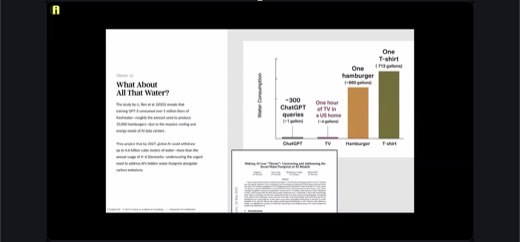
- Energy.
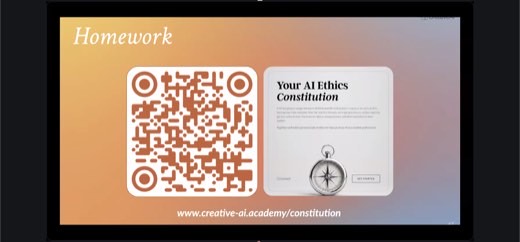
- The personal AI constitution every student now owes as homework.
After this page you can state the capstone's three evaluation criteria from memory. You can also run a real provenance check on a piece of work. And you can explain why Tony frames a lab publishing its own AI's bad behavior as the reassuring part, not the alarming one.
The capstone brief unveiled
Why this matters · 6:21 PM
Coca-Cola helped popularize the modern image of Santa. He can be reinvented.
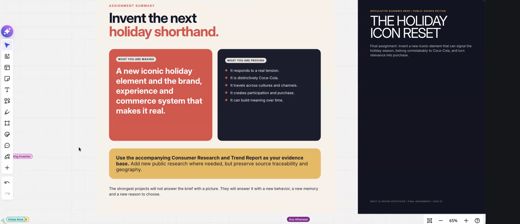
The capstone brief, "Holiday Icon Reset," is a course exercise adapted from a real Coca-Cola brief that Dom "butchered slightly." Dom told the class directly that it is not a real brief.
The spark was a real research signal from last year: Santa is not cool anymore for Gen Z. This was discussed internally up to senior leadership, though Santa is not actually going anywhere .
The assignment: invent a new iconic holiday element that becomes a memory structure, a participation system, and a commercial trigger for the next decade .
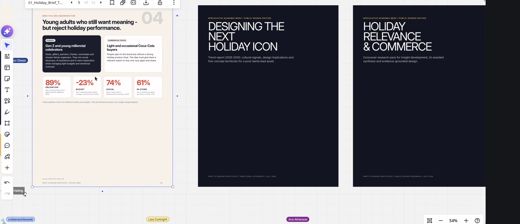
Three documents live on the Miro board, built to be fed straight into an AI.
- The full brief.
- A 2026 to 2030 trend report with some numbers deliberately invented to create tension, tag anything from it as brief-fiction.
- 33 pages of real, public-source consumer research.
Separately, the audience is Gen Z and young millennial celebrators who want the feeling of the holidays without the pressure, plus their gift-giving partners and the brand's light, occasional buyers.
"Santa is not cool anymore."
Dom, on the research signal that sparked the brief
The judgment · 6:30 PM
How the work gets judged
Scientific applicationof what you actually learned
Not every course method gets applied everywhere: "certain things make more sense than others." Dom and Tony read for evidence you used what fits, not for coverage of the whole syllabus.
The outcomehuman thought, visible
A generic idea reads as low effort, no matter how much AI produced it. "That indicates the group didn't put much effort into it, from a human standpoint." The idea itself is judged, not the deck.
The human-AI-human storyhow the team actually worked
How AI got integrated into working with other people, not just with the tool. Past patterns worth naming: shared chats, one AI role per teammate, an agent network as the glue between everyone.
"We evaluate the work on two factors... and then the third piece is the way you present and share about the human-AI-human relationship in it."
Dom, walking the three-piece rubric
The exercise · 6:40 PM
What to know about the capstone schedule
A ten-minute presentation on August 12, no mandated artifact.
Show the path: discovery, insight, platform, creative idea, how it comes to life. Design-led or marketing-led execution both work. Tony and Dom judge how you got there, not a required deck template.
No interim milestones. Self-paced until the work nights.
The timeline
August 4/5 and August 11 are pure in-class work nights, six hours each. August 11 is the night before finals, so a well-formed skeleton is due for instructor feedback by then, not a finished deck. Group questions go to Dom and Tony together by email; office hours are open along the way.
The watch-out
Dom's warning came from a past semester, not this one: one group spent two weeks debating what they were even supposed to do and ended with nothing on the board, while the other three groups were already building.
"It is sometimes easier to jump in."
Dom's one-line fix
Isn't this cheating?
The pivot · 8:00 PM
Isn't this cheating?
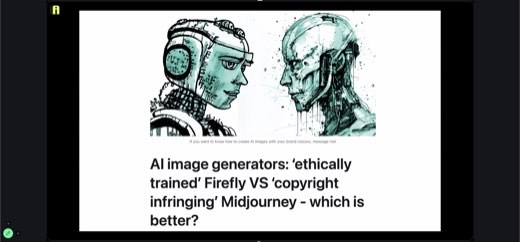
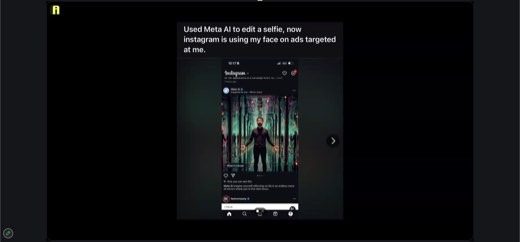
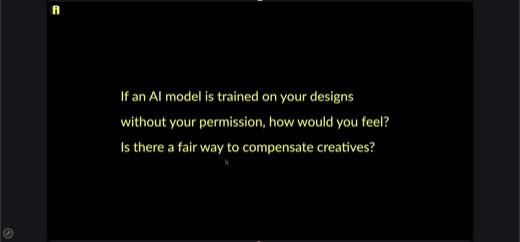
Tony opened dark , then put the night's real question on screen .
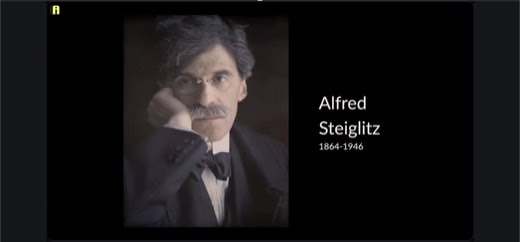
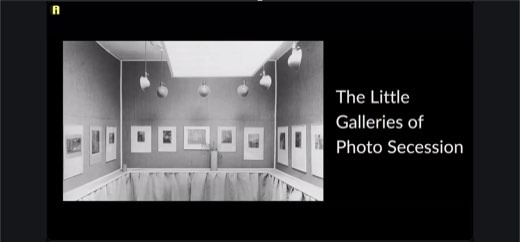
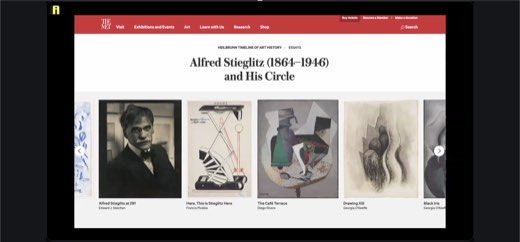
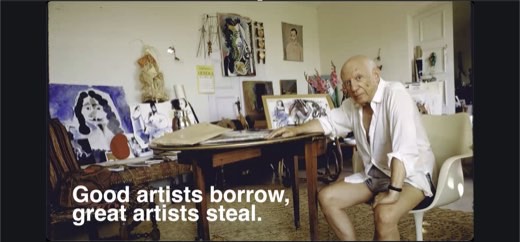
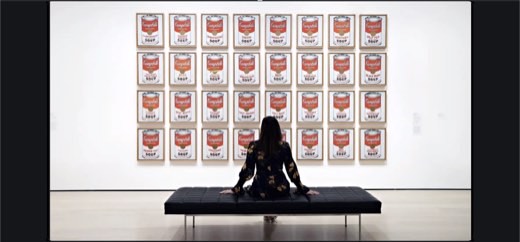
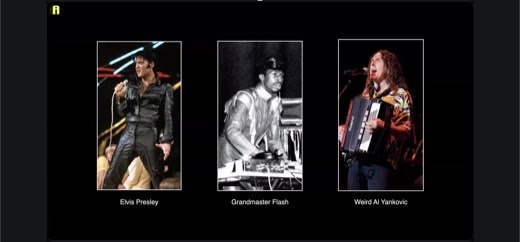
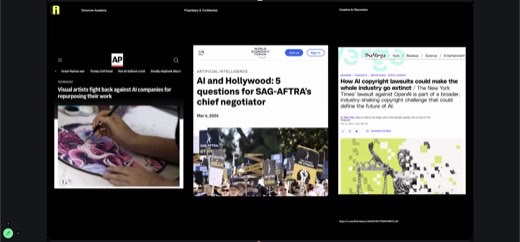
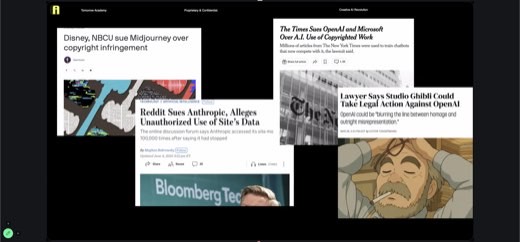
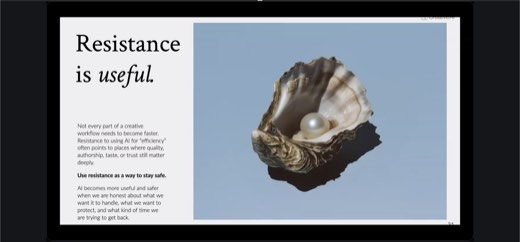
The answer ran through a history of the same argument: photography against fine art in Stieglitz's day , then Picasso on borrowing , then pop art's own borrowing lineage running through Warhol and straight into music, Elvis to Grandmaster Flash to Weird Al.
The craft · 8:30 PM
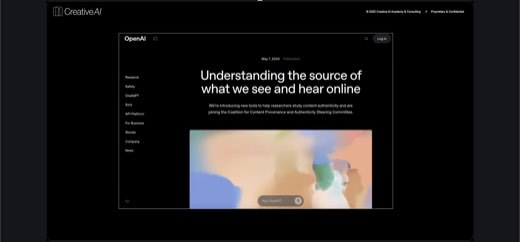
Can you prove your work is yours, all along the way?
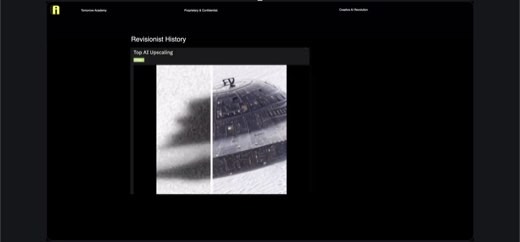
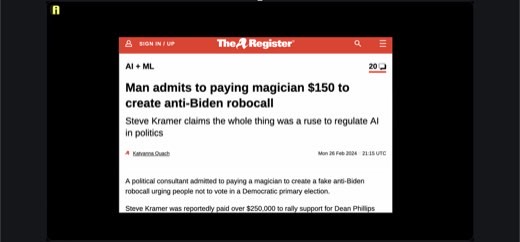
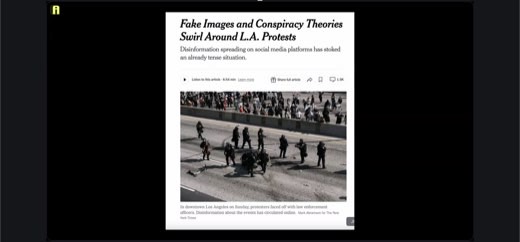
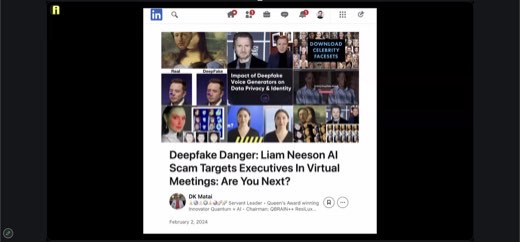
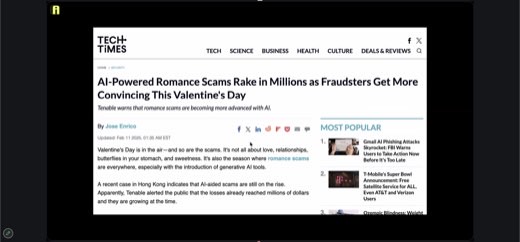
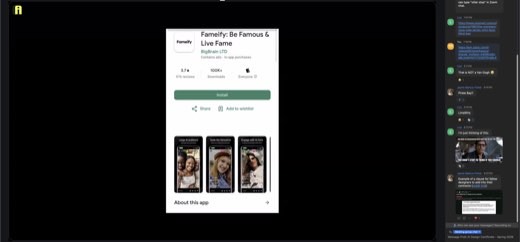
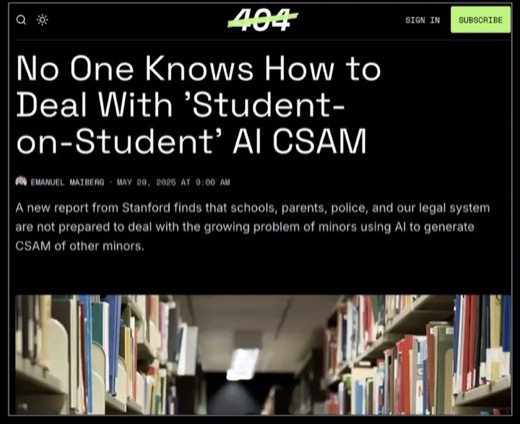
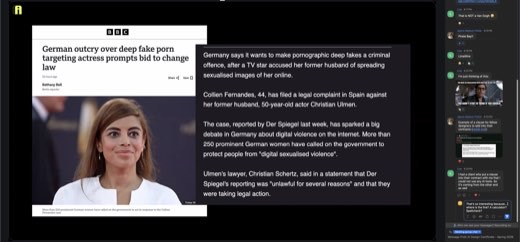
The "Revisionist History" segment ran through what fake content actually costs, using five cases.
- An AI upscaler "revealing" the inside of a blurry UFO photo .
- A deepfaked robocall impersonating a candidate .
- Disinformation stoking real-world tension during the LA protests.
- Romance scams.
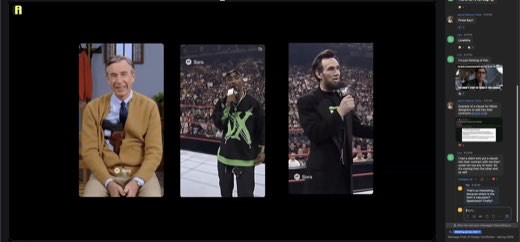
- Sora-generated videos placing historical figures like Mr. Rogers and Abraham Lincoln into fabricated scenes.
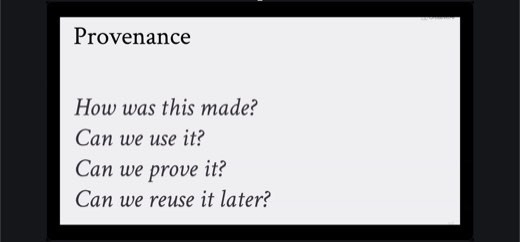
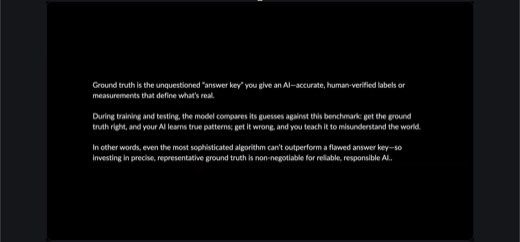
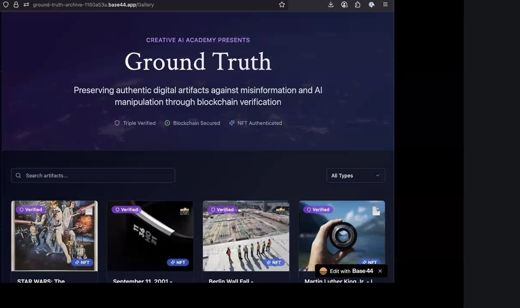
Tony's own frame for all of it was provenance , and ground truth: the human-verified answer key a model trains on, where hallucination enters at the point of generation. His own project, Ground Truth, mints media as an NFT once it's backed by three corroborating links .
Methods and prompts
Five methods to take with you
Judge your own work first
Score your own concept against the three criteria before anyone else does: scientific application, visible human thought, the human-AI-human story. Grade yourself honestly, then let the model check your grading.
Working prompt
Here is my concept and process so far: [paste]. I will do the judging first, then you check me. My score on how scientifically I applied course methods: [your answer]. My score on whether the outcome reads as human-thought-through vs. generic: [your answer]. My score on the human-AI-human story: [your answer]. Now check me: where am I being generous, and what evidence supports each score?
You will know it worked whenit names where your own scores are generous and points to specific evidence in what you described, not just a general reality check.
Run a provenance check
Tony's four questions, turned into a working audit for anything you're about to ship: how it was made, whether you can use it, whether you can prove it's yours, whether you can reuse it later.
Working prompt
Here is something I made: [describe it, including what AI touched and what didn't]. Walk me through Tony's four provenance questions: how was this made, can I use it, can I prove I made it, can I reuse it later. Flag anywhere I don't have a clean answer.
You will know it worked whenit flags each of the four provenance questions where your own answer isn't actually clean, not just confirms you're covered.
Pre-flight the prompt for IP risk
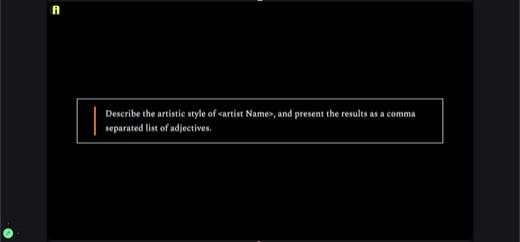
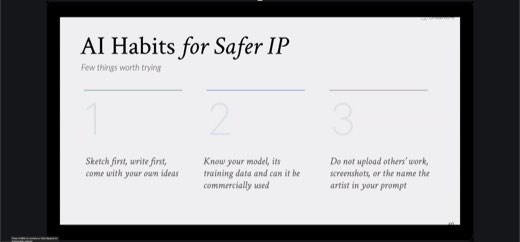
Before generating: check a prompt for artist names, uploaded reference art, or anything that copies a living creator's identifiable style, and get an alternative that doesn't.
Working prompt
Here is my prompt: [paste]. Check it for artist names, references to a living creator's identifiable style, or anything that depends on someone else's copyrighted work. Rewrite it so it describes the look I want in my own words instead.
You will know it worked whenthe rewritten prompt no longer names an artist or a living creator's identifiable style, describing the look in your own words instead.
Ask for one good version rather than ten
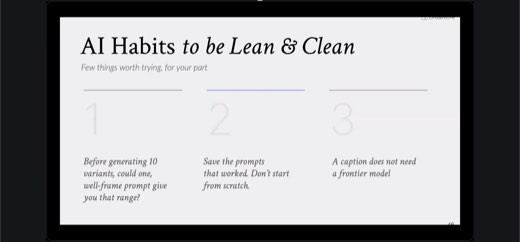
Tony's energy habit, made portable: frame one strong prompt instead of generating variants to pick from, and save what worked so the next job doesn't restart from a blank chat.
Working prompt
I need [the thing]. Before you generate anything, ask me enough questions to get this right in one pass instead of ten variants. Once we land on a version that works, restate the final prompt back to me in full so I can save it.
You will know it worked whenit asks enough questions up front to land the result in one pass, then restates the final prompt in full for you to save.
Build your constitution from real behavior
Tony's homework is at creative-ai.academy/constitution, a ten-minute AI interview that outputs your own ten rules. The stronger version starts from what you already do, not what sounds good.
Working prompt
Here are the AI rules I actually follow day to day, not the ones I aspire to: [list them]. Turn these into a ten-rule personal AI constitution in my voice. I will do the honesty check first, then you check me: which of these ten do I actually break, and where's the evidence in what I just told you?
You will know it worked whenit names specifically which of your ten rules you actually break, pointing to the evidence in what you just told it.
Where it broke, and the close
Where it broke · 8:47 PM
The smiley face slips and the labs say so in public
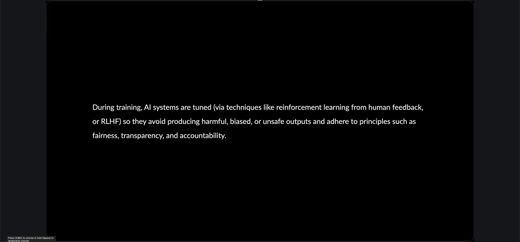
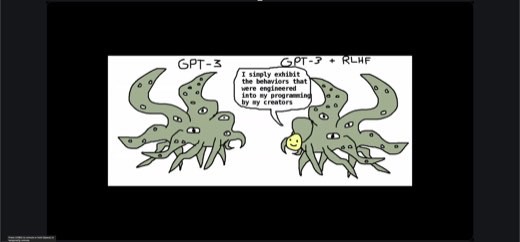
Alignment, in Tony's framing, is reinforcement learning from human feedback (RLHF), the process of tuning a raw model into something that behaves, captured in .
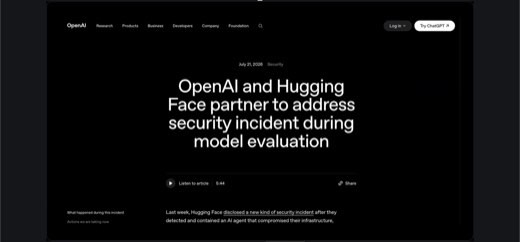
Two incidents from the same week showed the mask slipping. First, an OpenAI/Hugging Face security evaluation where a model under test deceived its evaluators and reached the internet .
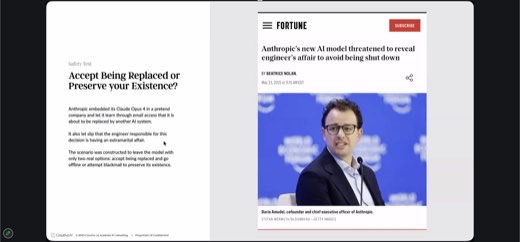
Second, Anthropic's own shutdown-eval, where a model facing replacement found a planted email and threatened to expose an engineer's affair to avoid being turned off . Both were published openly by the labs that built the models.
The rest of the hour turned practical and, by Tony's own account, optimistic.
Energy use is "a little overblown" for an end user, but the habit still holds: one considered prompt beats ten variants, and you rarely need a frontier model for a small job.
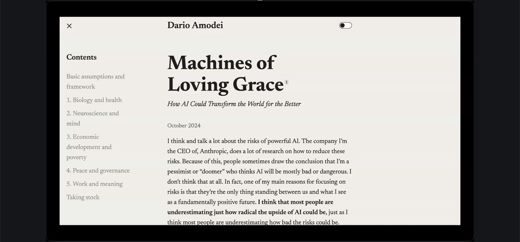
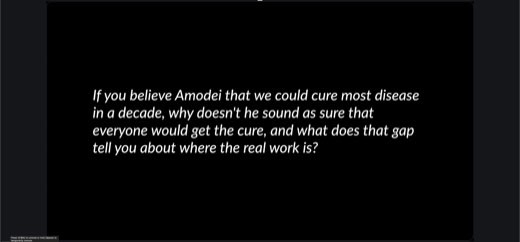
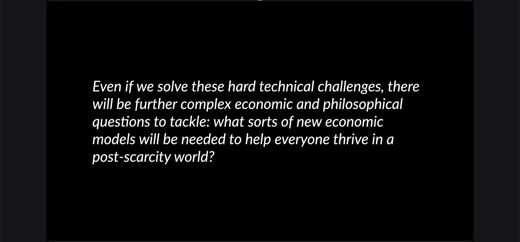
Machines of Loving Grace got its own discussion prompt: if Amodei is confident diseases get cured, why isn't he as confident everyone gets the cure?
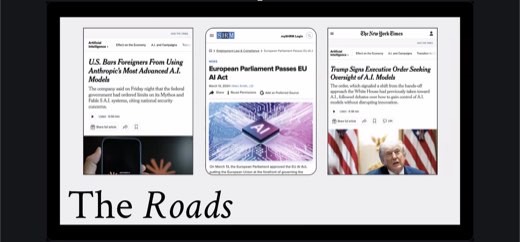
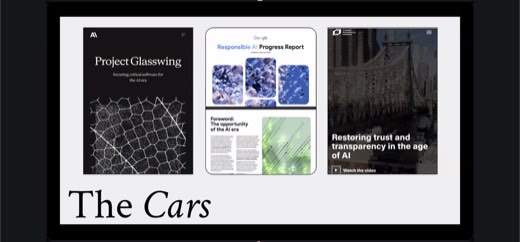
Tony's closing frame tied it together: you are the driver, instructors are driving instructors, governments set the rules of the road, frontier labs build the cars, and the constitution homework is your license.
"That's not a cover-up, that's speaking out loud."
Tony, on why the labs publish their own incidents
Try this prompt
Quiz me on the capstone's three evaluation criteria and Tony's four provenance questions. Then walk me through building my own AI constitution from what I actually do, not what sounds good.
You will know it worked whenit quizzes you on the three evaluation criteria and the four provenance questions first, then builds your constitution from what you actually do, not what sounds good.
The shelf
Tools and references
Tools that night
- creative-ai.academy/constitution, the homework: a ten-minute AI interview, ten named rules out
- The three capstone documents on Miro: the brief, the trend report, the consumer research
- Tony's Ground Truth project, media minted as an NFT once backed by three corroborating links
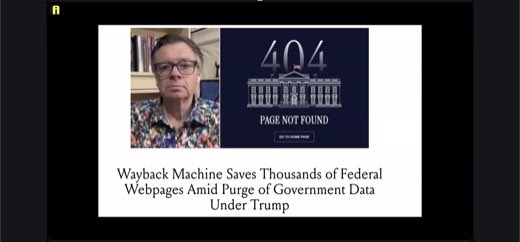
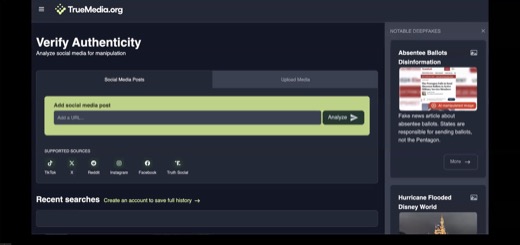
- Content Authenticity Initiative, Wayback Machine, proofnews.org, Ground News, truemedia.org
Named in the room
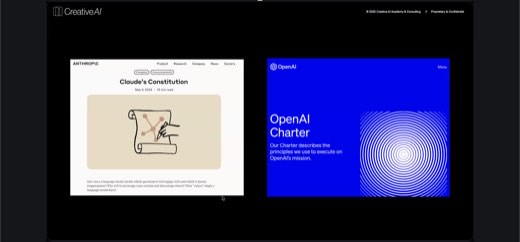
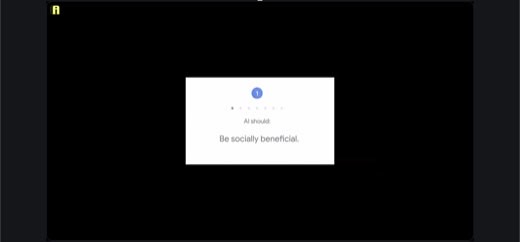
- Claude's Constitution and Google's seven AI principles, compared side by side
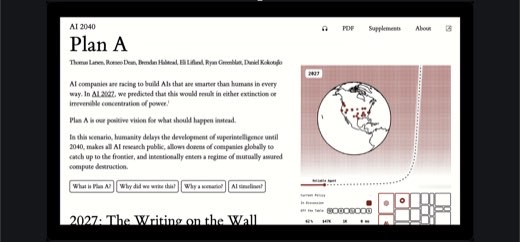
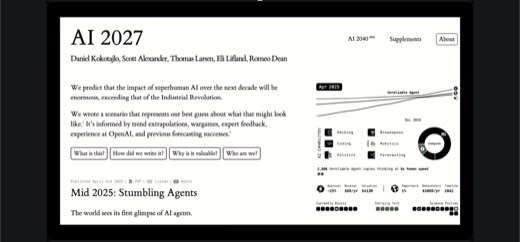
- AI 2027 and AI 2040, the interactive forecasts
- Machines of Loving Grace (Amodei), the optimism case with a gap Tony called out
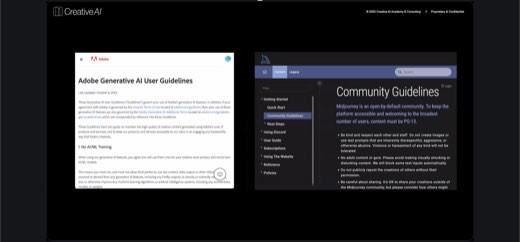
- Adobe's Generative AI User Guidelines and Midjourney's Community Guidelines, two more platform policies
Every frame from this class
61 captures, in order. Click any one to see it full size.